On Monday, the security manager makes changes to the company risk register. Wednesday brings a change to a cloud access policy by a developer. The week ends with a new security procedure on file while the Statement of Applicability continues to cite the older version.
There has been no major incident. Yet these minor inconsistencies can create serious difficulties when an ISO 27001 auditor starts examining the documentation. Startups often struggle less with any single task than with maintaining consistent records alongside daily operations.
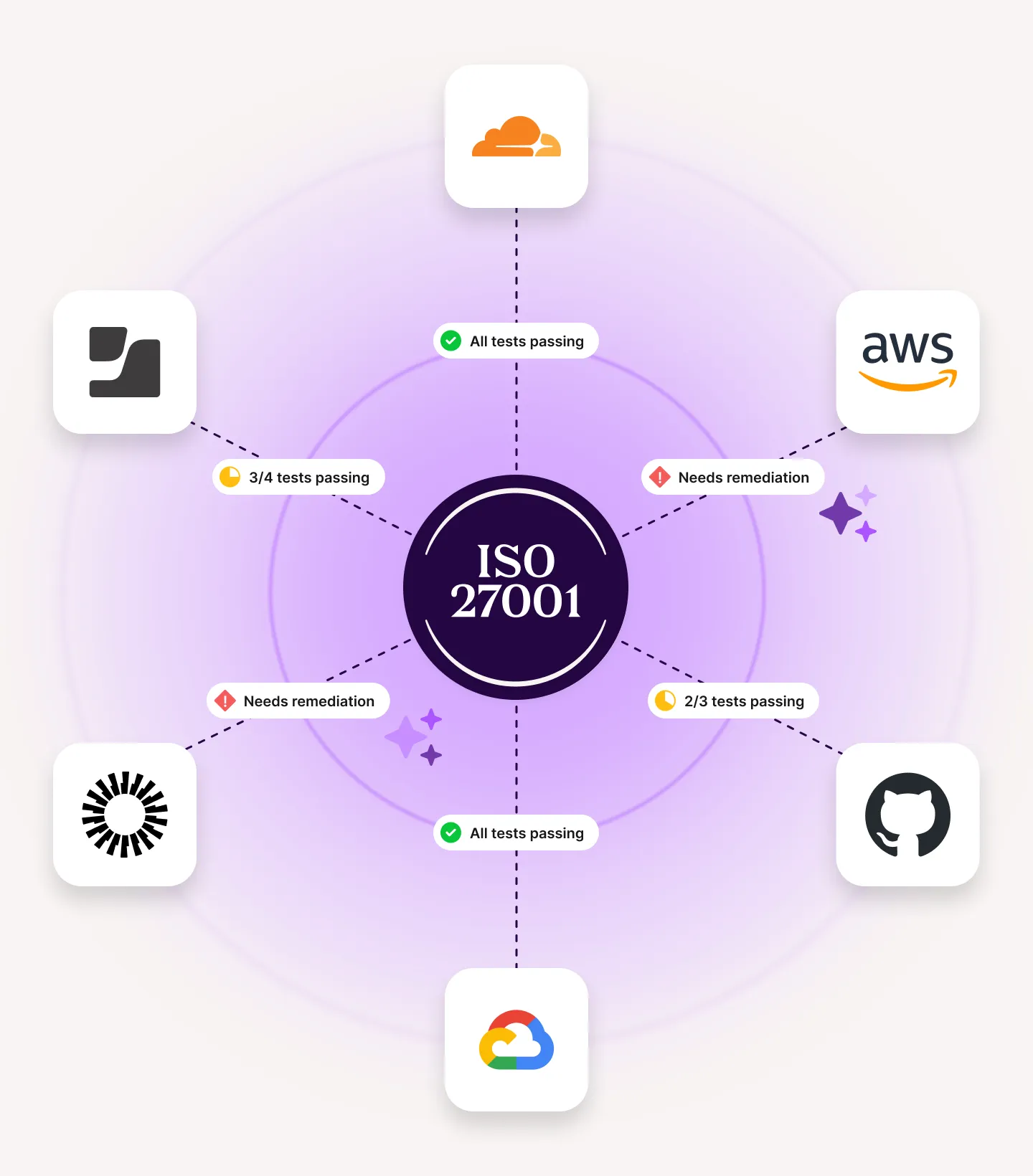
When Tracking Compliance in Spreadsheets Gets Complicated
A spreadsheet is often the easiest place to begin tracking compliance. However, spreadsheets can be accidentally overwritten without anyone noticing. A growing business may begin with several spreadsheets covering different compliance activities. Separate files may be manageable early on; difficulties develop as more employees edit the records.
ISO 27001 compliance software can replace this fragmented process by bringing related activities into a structured workspace. Team members can review a control’s status alongside the relevant records without searching through unrelated folders.
Before You Subscribe, Consider Who Owns the Work
Before committing to a platform, founders should consider who will maintain it.
A startup with eight employees probably may not require the same compliance infrastructure as a multinational organization. In a small team, risk assessments may fall to founders, technical controls to developers, and documentation to a designated coordinator.
The right ISO 27001 software should show who is responsible without adding complicated administrative tasks. Even a capable platform has limited value when the team does not keep it current.
Understanding Why the Statement of Applicability Matters
The Statement of Applicability is more than an administrative requirement. The document records the controls the organization has selected, the reasons for those decisions, and their implementation status.
Using cloud infrastructure does not remove the need to consider applicable physical security responsibilities, even when the provider manages the underlying buildings.
The business should maintain current explanations of its responsibilities and control decisions. A connected risk register and Statement of Applicability can make those decisions more straightforward to demonstrate during an audit.
When the Auditor Starts Asking Questions
The audit may involve reviewing security policies alongside risk treatment decisions. A fragmented filing process can make it harder to locate current evidence. ISO 27001 certification software helps organize these materials, but it does not guarantee that the evidence is sufficient or that certification will be granted.
An accredited certification body independently evaluates whether the information security management system satisfies the applicable requirements. Well-organized documentation can support a smoother assessment.
A Practical Approach for Growing Teams
Startups comparing platforms should consider their cost constraints, internal resources, and actual compliance workload. For teams researching the best compliance software for startups ISO 27001 certification, CertAssist provides a structured approach. The platform includes ISO 27001 clauses, Annex A controls, a risk register, a Statement of Applicability, editable policy guidance, and evidence storage.
CertAssist also allows direct auditor access without requiring the business to set up infrastructure integrations. Businesses that want to maintain control over evidence collection may find that approach useful.
Keep Compliance From Becoming a Bottleneck
Preparing for certification should not consume all the time needed to run the business. An effective compliance workspace helps teams see outstanding tasks, keep records current, and prepare for assessment.
The approach behind CertAssist is to help smaller teams coordinate compliance work without creating a complicated compliance operation. A long feature list is not, by itself, evidence that a system fits. What matters is whether your team can keep its security responsibilities clearly assigned as the business grows.