Color may be exactly right, but extended wear reveals a problem with cap comfort. Another appreciates the natural-looking hairline but doesn’t want to spend twenty minutes adjusting the lace every morning. Someone else buys a beautiful unit, only to discover that the density feels heavier than expected.
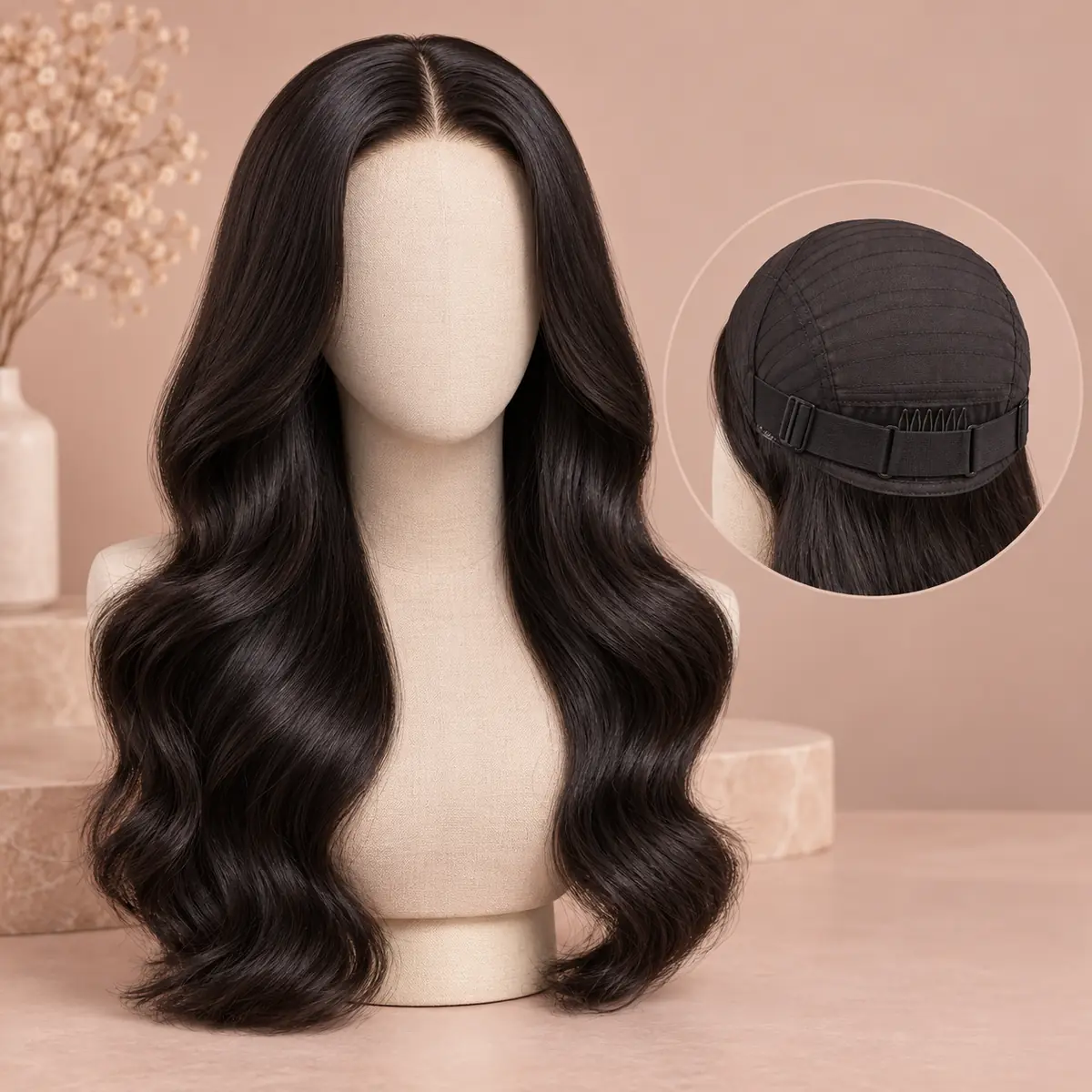
Image credit: vayorahair.com
There is more meaning in these comments than a wig business might initially see. Such comments can guide design decisions toward products that deliver a wearing experience people appreciate.
Successful wig collections aren’t necessarily built around the latest viral hairstyle. What matters is learning what customers want to feel and experience when they try a wig on.
Understand the Concerns Behind Customer Feedback
Customers rarely describe their needs using manufacturing terminology. Instead, their feedback center on comfort and convenience, confidence and appearance. A construction without glue could be one response to feedback about simplifying morning preparation. Complaints about an unnatural hairline could indicate that lace appearance, knot treatment, density, or parting design needs attention.
The human hair wig manufacturer China brands select should convert such customer observations into specific, measurable product requirements.
A request for a 22-inch body-wave wig can go beyond the basic style description: buyers can specify how the wig should feel when worn, cap fit, lace construction, hairline appearance, and finished weight. With that information, developers can focus on a clearer target.
Develop a Distinctive Private Label Collection
The products selling well right now often become the entire basis for a developing wig brand’s catalog, which can be a strategic misstep. Such an approach can leave the brand with a collection that is difficult to distinguish from competitors’ offerings.
Working with a private label wig manufacturer China retailers can collaborate with allows brands to develop a more consistent product identity. A brand could focus on lightweight daily-wear wigs, premium natural-hairline designs, or ready-to-wear styles for customers who want minimal preparation. Every choice, from texture, length, and color to density, cap construction, and packaging, should reflect the same promise to customers. When a range has a consistent character, customers have a reason to return that goes beyond a short-term discount.
Go Beyond the Glueless Label
The straightforward label “glueless” does not capture the construction factors that determine the wearing experience. A secure, comfortable fit depends on cap sizing, adjustment features, attachment components, lace preparation, and hairline design.
Before production starts, the glueless wig manufacturer China buyers select should help define these construction requirements. For example, a brand targeting first-time wig wearers may prioritize manageable density, pre-cut lace, and straightforward adjustment features. A professional stylist’s collection might require different customization options. There is no universal preference for either approach. What distinguishes them is the customer they serve.
Sample Review and Brand Reputation
Even a detailed photograph provides only part of the information about a wig. A buyer should assess how the cap fits and the hair moves, check the color against expectations, and confirm whether the finished construction matches the approved design. Reviewing samples allows buyers to spot differences before placing a larger order.
Consistently producing the same style calls for documented product specifications and quality-control procedures, particularly for a wholesale human hair wigs supplier handling repeat orders. A lack of well-defined references can make it difficult to reproduce the results of a successful first batch reliably.
Design Your Collection for Future Growth
VAYORA supports B2B wig brands, retailers, and distributors through product development, private label services, sampling, specification control, and repeat-production workflows. The approach links customer expectations to the physical features that influence the wig’s appearance, fit, and feel.
Before adding more products, a brand should evaluate customer feedback, determine where its strongest product opportunities lie, and establish clear approval standards. More styles are not necessarily what the next successful product lineup requires. It may require fewer compromises in the styles customers already want.